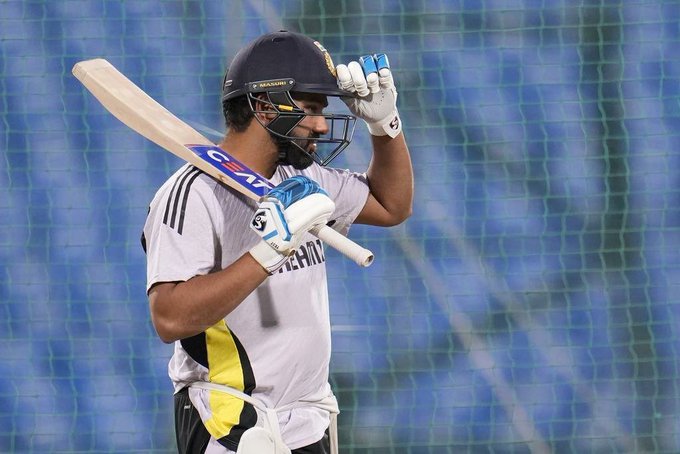


Athletes competing at the highest level face a unique set of financial challenges. High earnings concentrated in short career spans, complex tax obligations across multiple jurisdictions, and the constant need for global mobility create headaches that most professionals never encounter.
That’s where golden visa programs come in. These residency-by-investment schemes offer athletes something valuable: the freedom to optimize their tax situation while maintaining the flexibility their careers demand. No mandatory relocation. No giving up their current passport. Just strategic planning that protects what they’ve earned.
Four countries have emerged as clear favorites among professional athletes in 2026. The UAE leads for those prioritizing zero taxation. Portugal offers a gateway to European mobility with favorable tax treatment. Greece provides Mediterranean lifestyle at accessible investment levels. Spain rounds out the list with deep connections to football culture and competitive tax rates for high earners.
Each program works differently. Understanding these differences matters when career earnings and family security hang in the balance.
UAE: Where Athletes Pay Zero Tax
The numbers tell a compelling story. Zero percent income tax. Zero percent on endorsements. Zero percent on capital gains. For an athlete earning millions annually, those zeros add up fast.
Dubai and Abu Dhabi have built world-class sports infrastructure that rivals anywhere on the planet. Training facilities designed for Olympic athletes. Year-round sunshine perfect for outdoor sports. Motorsports venues that host Formula 1 racing. The UAE didn’t accidentally become a magnet for professional athletes—they built the environment deliberately.
The Golden Visa program reflects this commitment. A property investment starting around AED 2 million (roughly $545,000) secures a 10-year renewable residency. Processing takes just one to two months. There’s no minimum stay requirement, which means athletes can maintain their training and competition schedules without disruption.
NFL players have been particularly drawn to this program. While specific names remain confidential, industry reports confirm a surge in American football professionals relocating to protect their wealth. The math works simply: save 37-50% in taxes that would otherwise go to high-tax jurisdictions, and the investment pays for itself quickly.
The UAE doesn’t offer citizenship through this program. But for athletes focused on wealth preservation during their earning years rather than passport collection, that limitation rarely matters. What matters is keeping more of what they earn while accessing elite training environments.
Football pitches meet international standards. Golf courses attract global tournaments. Tennis facilities operate at professional levels. The infrastructure supports serious athletes, not just recreational players.

Portugal: European Access Meets Tax Optimization
Portugal’s Golden Visa has attracted over 17,700 main applicants since launching in 2012. Athletes appreciate what this program delivers: residence in an EU country, a pathway to full citizenship, and tax benefits through the Non-Habitual Resident regime.
The investment threshold changed after 2023 reforms eliminated direct real estate pathways. Now athletes typically choose fund investments starting at €250,000 or job creation options at €500,000. Processing takes longer than the UAE—typically six to twelve months—but the tradeoff brings EU advantages.
That NHR tax status deserves attention. For ten years, Portuguese-sourced income faces just a 20% flat rate. Foreign income often qualifies for exemptions under tax treaties. For footballers playing in European leagues or athletes with global sponsorship deals, this structure creates real savings.
Benfica and Sporting maintain world-renowned football academies. The climate stays mild year-round, supporting consistent training schedules. Portuguese healthcare ranks among Europe’s best. International schools serve families relocating from abroad.
The real prize comes after five years. Meet minimal residency requirements (just seven days annually during the Golden Visa phase), pass a basic Portuguese language test, and citizenship becomes available. That EU passport opens every door in the European market.
Standard Portuguese income tax runs from 14.5% to 48%, with capital gains taxed at 28%. Those rates make the NHR regime look even better by comparison. Athletes can legitimately slash their tax burden while building toward full EU citizenship.
Greece: Mediterranean Lifestyle at Accessible Levels
Greece updated its Golden Visa thresholds in 2024, creating a tiered system that still beats most European alternatives. Rural properties qualify at €250,000. Popular islands and major urban centers like Athens now require €800,000. The middle tier sits at €400,000 for most other regions.
Processing moves faster than Portugal—typically three to six months. There’s no minimum stay requirement, making this purely a residency-on-paper option for athletes who want European access without relocation commitments.
Tennis and golf professionals particularly favor Greece. Island climates suit endurance training. The sunny weather rarely disrupts outdoor practice schedules. Athens hosts Olympic-standard venues that haven’t gone to waste since 2004.
Properties generate rental income when owners aren’t using them. That revenue stream helps offset the initial investment, though 2024 reforms eliminated short-term rental opportunities in certain areas to address housing concerns.
Greek taxation follows standard EU patterns—15% to 44% on income, with a 15% flat rate on capital gains for non-domiciled residents. Not as favorable as Portugal’s NHR or the UAE’s zero-tax environment, but the lower investment threshold makes market entry easier.
Academies in Athens and Thessaloniki serve various sports. The Mediterranean diet supports athlete nutrition naturally. Healthcare quality exceeds expectations at reasonable costs. The citizenship path exists after seven years, though residency requirements become stricter than the initial Golden Visa phase.
Spain: La Liga’s Golden Visa Opportunity
Spain’s Golden Visa requires €500,000 for property investments or €1 million in bonds or business equity. Processing takes two to six months, with minimal stay requirements that preserve athlete flexibility.
The real attraction comes through the Special Tax Regime for Impatriates, often called the Beckham Law after its most famous beneficiary. This program taxes work income at a flat 24% rate on the first €600,000 earned, applying for six years. That’s substantially better than Spain’s standard progressive rates running from 19% to 47%.
La Liga creates natural appeal for footballers. World-class training facilities dot the country. Madrid hosts tennis Grand Slams. The Mediterranean climate supports year-round outdoor sports. Cultural affinity matters too—Latin American athletes find easier transition to Spanish society.
Capital gains face 19-28% taxation depending on amounts. Not the most competitive rate globally, but the Beckham Law’s work income benefits often outweigh this consideration for active athletes earning primarily through salaries and endorsements.
Citizenship becomes available after ten years for most applicants, dropping to just two years for Latin American nationals. That accelerated path adds value for South American athletes already comfortable with the language and culture.
Making the Right Choice
These four programs serve different needs. The UAE maximizes tax savings and processing speed. Portugal balances EU access with favorable taxation and a clear citizenship path. Greece offers lower investment barriers with Mediterranean advantages. Spain provides deep sports culture with competitive tax treatment for high earners.
Athletes considering these options should weigh several factors. Current earning levels determine which tax regime delivers maximum benefit. Career stage influences whether citizenship pathways matter. Family considerations—schools, healthcare, lifestyle—affect location preferences. Professional network locations shape where an athlete can most easily maintain business relationships.
Programs continue evolving. Portugal tightened real estate options in 2023. Greece adjusted regional thresholds in 2024. The UAE maintains consistency, but EU programs face ongoing reform discussions. For athletes ready to explore these strategic residency options, consulting specialized advisors ensures informed decisions. You can learn more from Global Residence Index, which has extensive experience helping professional athletes navigate golden visa programs across all four jurisdictions.
Their parent company, Vancis Capital, brings additional resources to complex applications. Other qualified advisors exist in this space, though experience with athlete-specific needs varies widely across firms.
The Road Ahead
Athlete migration toward strategic residency programs shows no signs of slowing. Tax optimization drives primary decision-making, but infrastructure, security, and lifestyle factors increasingly influence choices. The UAE will likely continue attracting North American athletes focused purely on wealth preservation. European programs appeal to those seeking continental mobility and eventual citizenship.
Future reforms may tighten some programs while others potentially liberalize to attract investment. Athletes who move strategically now position themselves ahead of potential threshold increases or program eliminations. The window for current terms won’t stay open indefinitely.
Golden visas represent more than tax planning. They’re about building optionality—the freedom to live, train, and compete where it makes sense while protecting assets earned through years of dedication to athletic excellence. In a career where injuries or performance declines can arrive without warning, that kind of security matters.